Request Information
Fill out this brief form and an AIU Admissions Advisor will contact you and help with your degree questions.
*All fields are required
Bachelor of Science in Criminal Justice Degree General Track
American InterContinental University offers a Bachelor of Science in Criminal Justice degree program that is designed to provide candidates with a broad overview of the criminal justice system and exposure to topics such as corrections, forensic science, law enforcement, and criminology. The program immerses students in the education of criminal justice policy and reform, criminal investigation and the justice system, and the impact of drugs on crime and rehabilitation. This online criminal justice degree program offers flexibility to earn your degree while maintaining a busy lifestyle. Mobile-friendly coursework could help you study toward your criminal justice degree online at your convenience, so you can maintain a school-life balance.
Fill out this brief form and an AIU Admissions Advisor will contact you and help with your degree questions.
*All fields are required
AIU's online bachelor's degree classes in criminal justice are designed to provide an in-depth overview of many fields and practical applications of criminal justice, including law enforcement, crisis management, forensic science, and homeland security. The curriculum core layers criminal justice theories and methods with research and constitutional knowledge. Our online criminal justice degree program combines real-world experience and interactive criminal justice modules that are based on current policies and national events.
There are no prerequisites to pursue a criminal justice bachelor’s degree online with AIU. Our dedicated Graduation Team can answer any questions that candidates may have and help guide them through the admissions and financial aid processes. They will help support candidates on their academic journey, from start to graduation.
|
English Composition I
ENGL106
In this course, students focus on developing writing skills through practice and revision of a variety of different types of essays. Students are also given instruction in library and online research and methods of documentation. In this course, students focus on developing writing skills through practice and revision of a variety of different types of essays. Students are also given instruction in library and online research and methods of documentation. |
ENGL106 | 4.5 | ||||
|
English Composition II
ENGL107
In this course, students focus on research and developing writing skills through writing the ''argument'' essay. Students are also given instruction in library and online research and methods of documentation. In this course, students focus on research and developing writing skills through writing the ''argument'' essay. Students are also given instruction in library and online research and methods of documentation. |
ENGL107 | 4.5 | ||||
|
General College Mathematics
MATH125
An introductory course designed to develop critical thinking, problem solving, and quantitative reasoning skills through the use of standard mathematical operations and techniques as well as analysis of visual data. Students will be expected to identify, analyze, and solve problems in a variety of applied contexts for transfer toward academic, personal, and professional success. An introductory course designed to develop critical thinking, problem solving, and quantitative reasoning skills through the use of standard mathematical operations and techniques as well as analysis of visual data. Students will be expected to identify, analyze, and solve problems in a variety of applied contexts for transfer toward academic, personal, and professional success. |
MATH125 | 4.5 | ||||
|
Academic and Professional Success
UNIV103
This is a course for students who are new to university-level learning. Topics will include the theory and application of setting goals, managing time and money, developing self-awareness, and adhering to the rigorous standards of academic and professional writing. Additionally, students will be prepared to work autonomously and collaboratively in academic and professional settings. This is a course for students who are new to university-level learning. Topics will include the theory and application of setting goals, managing time and money, developing self-awareness, and adhering to the rigorous standards of academic and professional writing. Additionally, students will be prepared to work autonomously and collaboratively in academic and professional settings. |
UNIV103 | 4.5 | ||||
|
Technology and Information Literacy
UNIV106
This course exposes students to foundational components of computer technology and information literacy. Utilizing computer systems and applications, students will practice using a variety of computer applications used in the modern workplace. This course will introduce basic digital and information literacy skills, including responsible use of innovative technology tools such as Generative Artificial Intelligence, to help students build a foundation to be better consumers and users of information. The goal of this course is to help students build their technology and information literacy skills essential for success in the 21st century classroom and workplace.
This course exposes students to foundational components of computer technology and information literacy. Utilizing computer systems and applications, students will practice using a variety of computer applications used in the modern workplace. This course will introduce basic digital and information literacy skills, including responsible use of innovative technology tools such as Generative Artificial Intelligence, to help students build a foundation to be better consumers and users of information. The goal of this course is to help students build their technology and information literacy skills essential for success in the 21st century classroom and workplace.
|
UNIV106 | 4.5 | ||||
|
Interpersonal Communication
UNIV109
This course will introduce students to the basic principles of communication theory and effective interpersonal communication. It will assist students in the identification of how communication impacts an individual, and will help them develop techniques and competencies in diverse social and professional communication situations.
This course will introduce students to the basic principles of communication theory and effective interpersonal communication. It will assist students in the identification of how communication impacts an individual, and will help them develop techniques and competencies in diverse social and professional communication situations.
|
UNIV109 | 4.5 | ||||
| General Education Elective (1 Course) | 4.5 | |||||
| Humanities (2 Courses) | 9 | |||||
| Natural Sciences (2 Courses) | 9 | |||||
| Social and Behavioral Sciences (2 courses) | 9 | |||||
| 58.5 Total Credit Hours | 58.5 Total Credit Hours | |||||
|
Criminal Justice Today
CRJS102
This course provides an introduction to the contemporary criminal justice system and some of the issues faced by that system today. Emphasis will be on traditional and non-traditional careers in criminal justice, the criminal justice system from the local perspective, as well as issues driving reform in the criminal justice system today.
This course provides an introduction to the contemporary criminal justice system and some of the issues faced by that system today. Emphasis will be on traditional and non-traditional careers in criminal justice, the criminal justice system from the local perspective, as well as issues driving reform in the criminal justice system today.
|
CRJS102 | 4.5 | ||||
|
Introduction to Criminology
CRJS203
This course is an overview of criminology. Students will be provided the opportunity to explore the nature, causation, and etiology of crime. Students will be introduced to criminological theory and its use in the development of policy and programs to improve detection of crime and strategies to reduce crime, relapse, and recidivism.
This course is an overview of criminology. Students will be provided the opportunity to explore the nature, causation, and etiology of crime. Students will be introduced to criminological theory and its use in the development of policy and programs to improve detection of crime and strategies to reduce crime, relapse, and recidivism.
|
CRJS203 | 4.5 | ||||
|
Introduction to Criminal Law
CRJS205
This course furnishes a concise but comprehensive introduction to the substantive criminal law. It offers an understanding of the legal environment in which criminal justice professionals must function and helps students to gain a clear understanding of the principles of the law that will be vital to success in the field of criminal justice. This course furnishes a concise but comprehensive introduction to the substantive criminal law. It offers an understanding of the legal environment in which criminal justice professionals must function and helps students to gain a clear understanding of the principles of the law that will be vital to success in the field of criminal justice. |
CRJS205 | 4.5 | ||||
|
Introduction to Law Enforcement
CRJS210
This course explores the historical development of policing, reform efforts, and political and economic factors shaping American policing. Additionally, this course provides an introduction to the fundamentals of report writing. This course explores the historical development of policing, reform efforts, and political and economic factors shaping American policing. Additionally, this course provides an introduction to the fundamentals of report writing. |
CRJS210 | 4.5 | ||||
|
Introduction to American Court System
CRJS215
This course covers the structure and organization of the Federal and state court system with special attention to the criminal courts. The basic functions of the courts will be examined. This course covers the structure and organization of the Federal and state court system with special attention to the criminal courts. The basic functions of the courts will be examined. |
CRJS215 | 4.5 | ||||
|
Foundations of Corrections
CRJS220
This course is an introduction to the correctional process and interventions designed to prevent and control adult criminal behavior. This course will address the philosophy and goals underlying the correctional interventions, types of criminal sentencing, and penal sanctions including community-based corrections, institutional corrections, and parole. This course is an introduction to the correctional process and interventions designed to prevent and control adult criminal behavior. This course will address the philosophy and goals underlying the correctional interventions, types of criminal sentencing, and penal sanctions including community-based corrections, institutional corrections, and parole. |
CRJS220 | 4.5 | ||||
|
Crime Victim Studies
CRJS310
This course presents the scientific study of crime victims and public policy responses to victims and their situations. It also looks at the different types of victimizations, how victimization rates are measured, and what attempts the government has made to increase the involvement of victims' role in the criminal justice system. This course presents the scientific study of crime victims and public policy responses to victims and their situations. It also looks at the different types of victimizations, how victimization rates are measured, and what attempts the government has made to increase the involvement of victims' role in the criminal justice system. |
CRJS310 | 4.5 | ||||
|
Juvenile Justice & Delinquency Theory
CRJS315
This course explores and defines the important components of the juvenile justice system in the United States. This course examines the theories associated with juvenile delinquency, and explores the treatment interventions that are being employed, and the current societal responses to juvenile delinquency. This course explores and defines the important components of the juvenile justice system in the United States. This course examines the theories associated with juvenile delinquency, and explores the treatment interventions that are being employed, and the current societal responses to juvenile delinquency. |
CRJS315 | 4.5 | ||||
|
Constitutional Issues in Criminal Procedures
CRJS330
This course examines procedural law and its role in criminal prosecution. It compares criminal procedure and evidence law in the federal and state courts systems, and analyzes the social, political and historical significance of the evolution of Constitutional law. Additionally, this course addresses the way in which laws and legal institutions function. This course examines procedural law and its role in criminal prosecution. It compares criminal procedure and evidence law in the federal and state courts systems, and analyzes the social, political and historical significance of the evolution of Constitutional law. Additionally, this course addresses the way in which laws and legal institutions function. |
CRJS330 | 4.5 | ||||
|
Evidence
CRJS355
This course examines the various types of evidence admissible by law, including real, demonstrative and documentary evidence. This course addresses the roles lay witnesses and expert evidence play in the legal setting as well as during a criminal trial. This course examines the various types of evidence admissible by law, including real, demonstrative and documentary evidence. This course addresses the roles lay witnesses and expert evidence play in the legal setting as well as during a criminal trial. |
CRJS355 | 4.5 | ||||
|
Research Methods & Statistics for Criminal Justice
CRJS405
This course is an introduction to social science research methods generally with an emphasis on applying them to the field of criminal justice. Students should leave the course with a sound understanding of the scientific method, the terminology of research, how to conduct research, and various methodological and statistical techniques used to answer research questions. This course is an introduction to social science research methods generally with an emphasis on applying them to the field of criminal justice. Students should leave the course with a sound understanding of the scientific method, the terminology of research, how to conduct research, and various methodological and statistical techniques used to answer research questions. |
CRJS405 | 4.5 | ||||
|
Senior Capstone in Criminal Justice
CRJS499
This course offers a comprehensive and systematic analysis of key contemporary criminal justice issues through a close review of the theories and policies guiding many crime-fighting strategies. By applying critical thinking and analytical skills, oral and written communication skills, and information systems skills, students will learn of the complex nature of crime and society's response to criminality. This course serves as the Criminal Justice capstone class and involves the student preparing a project agreed upon between the student and the instructor. Each project will require research, report writing, oral presentation, and interactive teamwork. This course offers a comprehensive and systematic analysis of key contemporary criminal justice issues through a close review of the theories and policies guiding many crime-fighting strategies. By applying critical thinking and analytical skills, oral and written communication skills, and information systems skills, students will learn of the complex nature of crime and society's response to criminality. This course serves as the Criminal Justice capstone class and involves the student preparing a project agreed upon between the student and the instructor. Each project will require research, report writing, oral presentation, and interactive teamwork. |
CRJS499 | 4.5 | ||||
| 54 Total Credit Hours | 54 Total Credit Hours | |||||
Select 10 undergraduate Elective courses
| 45 Total Credit Hours | 45 Total Credit Hours | |||||
In lieu of a Specialization, select 5 Criminal Justice Electives from any of the Specializations below
| 22.5 Total Credit Hours | 22.5 Total Credit Hours | |||||
|
Criminalistics
CRJS365
Criminalistics is part I of a two part series. This course is a survey course of forensic science. The course content will focus on defining ''forensic science''; recognizing practices of legitimate, junk, and fraudulent science; examining the properties of physical evidence; discussing the scope, potential, and limitations of a variety of forensic sciences; examining analytical techniques applied by forensic scientists; evaluating the criteria for admissibility of scientific evidence; and discussing the ethical responsibilities of forensic scientists. Criminalistics is part I of a two part series. This course is a survey course of forensic science. The course content will focus on defining ''forensic science''; recognizing practices of legitimate, junk, and fraudulent science; examining the properties of physical evidence; discussing the scope, potential, and limitations of a variety of forensic sciences; examining analytical techniques applied by forensic scientists; evaluating the criteria for admissibility of scientific evidence; and discussing the ethical responsibilities of forensic scientists. |
CRJS365 | 4.5 | ||||
|
Criminalistics II
CRJS406
Criminalistics II is part II of a two part series. This course introduces the non-scientific student to the field of forensic science through an exploration of its applications to criminal investigations, and clear explanations of the techniques, abilities, and limitations of the modern crime laboratory. The course combines classroom lecture/discussion with practical laboratory exercises related to the field of forensics. Topics include the recognition, identification, collection/preservation, individualization, and evaluation of physical evidence such as hairs, fibers, chemicals, blood, semen, glass, soil, fingerprints, documents, firearms, impression evidence, and serial number restoration. Students will document a crime scene by means of photography, notes, and scene sketching. Criminalistics II is part II of a two part series. This course introduces the non-scientific student to the field of forensic science through an exploration of its applications to criminal investigations, and clear explanations of the techniques, abilities, and limitations of the modern crime laboratory. The course combines classroom lecture/discussion with practical laboratory exercises related to the field of forensics. Topics include the recognition, identification, collection/preservation, individualization, and evaluation of physical evidence such as hairs, fibers, chemicals, blood, semen, glass, soil, fingerprints, documents, firearms, impression evidence, and serial number restoration. Students will document a crime scene by means of photography, notes, and scene sketching. |
CRJS406 | 4.5 | ||||
|
Criminal Investigation
CRJS455
This course explores the elements of investigation including crime scenes, witnesses and evidence, and includes such topics as investigative techniques, evidence documentation, interrogation and arrest. The course addresses the particulars of investigating major crimes. This course explores the elements of investigation including crime scenes, witnesses and evidence, and includes such topics as investigative techniques, evidence documentation, interrogation and arrest. The course addresses the particulars of investigating major crimes. |
CRJS455 | 4.5 | ||||
|
Psychopathology and Criminality
CRJS466
This course is designed to provide students with a firm understanding of abnormal human behavior. Students will gain knowledge and insight into disorders relating to eating, sleeping, attention deficit, mood, learning, impulse control, sexuality, criminality, and interpersonal conflict. The nature of various disorders will be discussed as well as their impact on criminal behavior. The diagnosis and treatment of these disorders will be covered in this class. This course is designed to provide students with a firm understanding of abnormal human behavior. Students will gain knowledge and insight into disorders relating to eating, sleeping, attention deficit, mood, learning, impulse control, sexuality, criminality, and interpersonal conflict. The nature of various disorders will be discussed as well as their impact on criminal behavior. The diagnosis and treatment of these disorders will be covered in this class. |
CRJS466 | 4.5 | ||||
|
Medicolegal Death Investigation
CRJS471
This course introduces the student to the field of medicolegal death investigation in the context of forensic science. In this course, students will learn jurisdiction established by the law to define the cause and manner of death, conduct a death scene investigation and techniques in establishing identity and post mortem interval. Students will obtain skills in notification of next of kin, interviewing witnesses, and interpreting crime scene photography. This course introduces the student to the field of medicolegal death investigation in the context of forensic science. In this course, students will learn jurisdiction established by the law to define the cause and manner of death, conduct a death scene investigation and techniques in establishing identity and post mortem interval. Students will obtain skills in notification of next of kin, interviewing witnesses, and interpreting crime scene photography. |
CRJS471 | 4.5 | ||||
| 22.5 Total Credit Hours | 22.5 Total Credit Hours | |||||
|
Foundations of Crisis Management
CRJS225
This course introduces students to various concepts and strategies involved in crisis management. Students will learn of different types of disasters (natural and manmade), organizational responses, preparedness, mitigation and recovery techniques. This course introduces students to various concepts and strategies involved in crisis management. Students will learn of different types of disasters (natural and manmade), organizational responses, preparedness, mitigation and recovery techniques. |
CRJS225 | 4.5 | ||||
|
Terrorism and Homeland Security
CRJS370
This course presents an overview of the key security issues facing the United States in both the areas of Homeland Security and Terrorism. It introduces students to the changing dynamics of homeland security at both the national and state levels. Students will explore the various dynamics of providing security in different settings. Additionally, the history and future of terrorism will be examined. This course presents an overview of the key security issues facing the United States in both the areas of Homeland Security and Terrorism. It introduces students to the changing dynamics of homeland security at both the national and state levels. Students will explore the various dynamics of providing security in different settings. Additionally, the history and future of terrorism will be examined. |
CRJS370 | 4.5 | ||||
|
Critical Infrastructures
CRJS380
Understanding the concepts pertaining to critical infrastructure in fighting terrorism is a core component of Homeland Security studies. The student will learn how to identify the different sectors of critical infrastructure, and the assets within various sectors that must be protected. Various strategies utilized to protect key assets will be covered. Understanding the concepts pertaining to critical infrastructure in fighting terrorism is a core component of Homeland Security studies. The student will learn how to identify the different sectors of critical infrastructure, and the assets within various sectors that must be protected. Various strategies utilized to protect key assets will be covered. |
CRJS380 | 4.5 | ||||
|
Homeland Security & Crisis Management Planning
CRJS416
This course will provide students with the necessary tools for planning and responding to Homeland Security threats and disasters, and for managing emergency situations. Students will be introduced to the ''how to'' aspects of planning. This course will provide students with the necessary tools for planning and responding to Homeland Security threats and disasters, and for managing emergency situations. Students will be introduced to the ''how to'' aspects of planning. |
CRJS416 | 4.5 | ||||
|
Communication and Crisis Planning
CRJS426
This course combines primary areas of homeland security /crisis management, i.e., intelligence, strategic planning, critical infrastructure, research and analysis, technology and strategic communications to provide students with a basis for developing a coordinated response. Students will develop an emergency plan to address preparedness, response, mitigation and recovery. This course combines primary areas of homeland security /crisis management, i.e., intelligence, strategic planning, critical infrastructure, research and analysis, technology and strategic communications to provide students with a basis for developing a coordinated response. Students will develop an emergency plan to address preparedness, response, mitigation and recovery. |
CRJS426 | 4.5 | ||||
| 22.5 Total Credit Hours | 22.5 Total Credit Hours | |||||

Dr. Virtanen is a professor, scholar, and writer with nearly four decades of teaching experience. She specializes in rhetoric, writing pedagogy, diaspora and ethnic literature, and creative writing. She has held numerous academic leadership roles and has published extensively in both scholarly and literary fields.

Dr. Wolak has dedicated her career to supporting student success through teaching, advising, and educational research. She specializes in first-year experience instruction, data-driven pedagogy, and the responsible use of AI in education.
This course examines the theories and principles of security and loss prevention through a systematic review of key issues and concepts associated with the reduction and prevention of personal and corporate loss. This course will review the historical development of loss prevention, exposures to losses, risk assessment techniques and strategies to minimize loss and improve security.
This course is designed to give students a rationale for understanding and appreciating the different ways justice is conceived and administered internationally. This course serves as a basis for comparing various justice systems as they relate to the American justice system. Students will explore how various countries organize their law enforcement, judicial systems and corrections agencies, and compare them with the American criminal justice system.
This course examines drug abuse and its relationship to crime. Topics include the statistical relationship between drugs and crime, drug laws and courts, drug prevention programs and public policy concerning the use and abuse of substances.
This course focuses on the challenges administrators face in law enforcement, courts and corrections. Students will examine the various organizational frameworks in the criminal justice system and the concepts, organizational principles and models associated with these criminal justice agencies.
Criminalistics is part I of a two part series. This course is a survey course of forensic science. The course content will focus on defining "forensic science"; recognizing practices of legitimate, junk and fraudulent science; examining the properties of physical evidence; discussing the scope, potential and limitations of a variety of forensic sciences; examining analytical techniques applied by forensic scientists; evaluating the criteria for admissibility of scientific evidence; and discussing the ethical responsibilities of forensic scientists.
This course presents an overview of the key security issues facing the United States in both the areas of Homeland Security and Terrorism. It introduces students to the changing dynamics of homeland security at both the national and state levels. Students will explore the various dynamics of providing security in different settings. Additionally, the history and future of terrorism will be examined.
This course focuses on the various factors utilized to develop personalized sentencing and treatment plans for individual offenders. It examines the personality of the offender who may be diagnosed as a psychopath, sociopath, drug addict or mentally ill person. Students will study how to develop treatment plans that will assist in the rehabilitation of the offender.
This course explores the elements of investigation including crime scenes, witnesses and evidence and includes such topics as investigative techniques, evidence documentation, interrogation and arrest. The course addresses the particulars of investigating major crimes.
Course content subject to change.
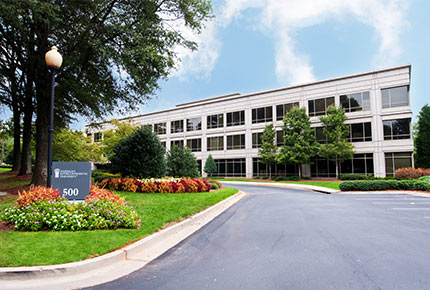
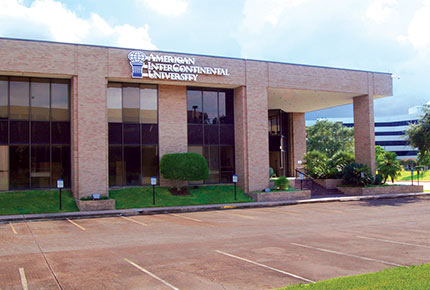
An online Bachelor of Science in Criminal Justice degree is an undergraduate degree program that provides students with a comprehensive understanding of the U.S. criminal justice system and the social, legal, and ethical issues that shape it. Core courses typically explore criminology, criminal law, policing practices, investigations, corrections, juvenile justice, and evidence-based research methods. Students often focus their electives on specialized areas such as cybercrime, homeland security, or forensic psychology. Pursuing this degree program, whether online or on campus, offers students the opportunity to build analytical and professional skills for possible roles in law enforcement, security, corrections, or court services. AIU delivers the degree program entirely online for flexibility and also offers on-campus study at its Houston and Atlanta locations.
Yes, you can earn a Bachelor of Science in Criminal Justice entirely online. AIU is a member of the American InterContinental University System. The System is accredited by the Higher Learning Commission (hlcommission.org), an institutional accreditor recognized by the U.S. Department of Education. Our online Criminal Justice degree program is designed to offer flexibility, allowing students to balance coursework with personal and professional commitments. In addition to the fully online option, AIU also offers this degree program on campus at its Houston and Atlanta locations.
Some potential career paths for a BS in Criminal Justice may be*:
Managers – Higher-level supervisory and management roles are available across law enforcement, corrections, courts, security, compliance, and community or government agencies. These positions emphasize leadership, policy implementation, budgeting, and operational decision-making.
Forensic Science Technicians – Forensic roles often involve advanced evidence processing and analytical responsibilities within crime labs or investigative units. Work may include specialized testing, complex case support, and detailed reporting for legal proceedings.
Loss Prevention Managers – Leadership of organization-wide loss prevention and security programs can include managing teams and coordinating investigations into theft, fraud, or safety threats. Responsibilities commonly involve risk analysis, prevention strategy, and collaboration with law enforcement.
*AIU cannot guarantee employment or salary. The list of career paths related to this program is based on a subset from the Bureau of Labor Statistics CIP to SOC Crosswalk. Some career paths listed above may require further education or job experience.
To start on your path to pursuing a bachelor's degree in criminal justice at AIU, follow these steps:
*University grants or scholarships are based on established criteria as published in the University Catalog or on its website and are awarded after verification that the conditions of eligibility have been met.
AIU's online Bachelor of Science in Criminal Justice is structured as a 48-month program, but your actual completion time can vary based on factors such as transferred credits, the number of courses you take each term, and any breaks you choose to schedule.
Compare up to three additional degrees
I’m so thankful for AIU and the flexibility it offers during my part-time job and my full-time job as a mom and wife.
Crystal N., Current Student Anticipated graduation 2027, Bachelor of Science in Criminal Justice
AIU provides the tools and support needed to succeed, and I’m grateful for this opportunity to pursue my goals.
Jessica R., Current Student Anticipated graduation 2027, Bachelor of Science in Criminal Justice
The online learning option really stood out to me, and I liked that the programs are designed to be practical and career-focused.Samuel A. 2025 Graduate, Bachelor of Science in Criminal Justice
Military affiliation includes active duty, veteran, spouse of military or veteran, or anyone eligible to receive military benefits.