5 Ways Moving Too Quickly Can Cost More Time
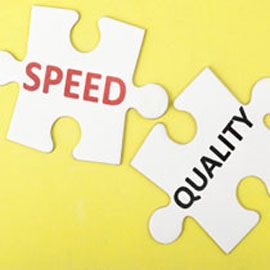
Moving fast can feel efficient, especially when deadlines stack up. Still, speed without a plan can create avoidable rework, missed details, and uneven results—whether you're managing coursework, work responsibilities, or other tasks.
Below are five ways rushing can add time back into the process.
Big-Picture Thinking
A fast pace can narrow attention to the next immediate task instead of the larger goal. When there's time to step back, it's easier to evaluate what's being produced, notice potential risks, and confirm that the approach matches the intended outcome. In many cases, that upfront review can reduce the chance of major corrections later.
In academic settings, this can look like starting an assignment before fully reviewing the instructions, grading criteria, or adding required sources.
Steps Left Out
When momentum takes over, small steps can start to feel optional. Sometimes the missing step is obvious, like skipping proofreading. Other times it’s subtle, like overlooking a requirement or not documenting a decision.
What saves a few minutes in the moment may add time later if missing steps lead to revisions, reformatting, or rebuilding part of the project. Even a simple checklist can help make the process more consistent without slowing everything down.
More Mistakes
Rushing increases the likelihood of overlooking key details. Errors can show up as incorrect numbers, missing context, broken links, or inconsistent formatting. Once mistakes make it into a draft or deliverable, fixing them often takes longer than getting them right the first time.
A practical way to potentially reduce this risk is building in brief “quality pauses” at natural points, such as after outlining, after a first draft, or before final submission.
Higher Stress Levels
A constant rush can raise stress levels for some people, which can make concentration harder and decisions less clear. When that happens, even simple tasks may feel more demanding than they otherwise would.
A steadier pace, with short breaks and realistic time blocks, may support focus and make it easier to maintain accuracy across longer projects, including multi-part assignments.
A Less Polished End Result
When speed becomes the primary goal, the end result can come out uneven. The content may be less organized, the reasoning less complete, or the presentation less polished. Even when the core idea is strong, a rushed finish can reduce clarity.
For coursework, this often shows up as assignments that meet part of the requirements but miss key elements like citations, formatting guidelines, or complete responses to prompts.
Key Takeaways for Coursework and Project Planning
Moving quickly is sometimes necessary, but consistency often comes from planning, reviewing, and pacing.
A useful way to think about pace is simple: going fast can help, but going fast while staying organized tends to reduce avoidable rework.
Compare online degree programs and see how structured coursework can help you strengthen planning habits, reduce rework, and stay on track.
AIU cannot guarantee employment, salary or career advancement. Not all programs are available to residents of all states.
REQ2212652 04/2026