Why Your Professional Network May Be Bigger Than You Think
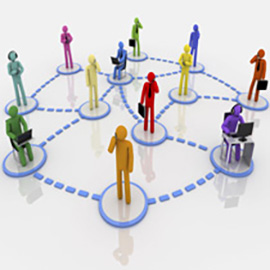
Professional networks often include more than the people you remember from recent roles or projects. They can also include classmates, community connections, friends of friends, and people you have met through online spaces—including connections you may build through your degree program.
People sometimes reference the idea of "six degrees of separation" to describe how connected people may be. Even if that concept is more of a conversation starter than a proven rule, it can be a helpful reminder: many connections exist just outside day-to-day awareness. It is easy to overlook how many meaningful relationships already exist, and how a thoughtful message may reopen a connection.
Common Sources of Professional Connections
An individual's network often grows from several overlapping parts of life. Looking at these categories may help with mapping connections that already exist, then deciding who to reconnect with first.
- Hometown and local community: Neighbors, community groups, volunteer circles, and people you have known for years
- College and academic communities: Classmates, faculty, advisors, alumni groups, and study teams
- Previous organizations and teams: People from past roles, mentors, collaborators, and project partners
- Current organizations and colleagues: People you interact with regularly, including cross-functional contacts
- Close contacts: Friends, family, and trusted peers who understand your interests and goals
- Second-level contacts: Friends of friends, classmates of classmates, and introductions through mutual connections
- Online connections: People you know through platforms like LinkedIn, professional communities, and virtual events
Some connections may be easier to restart than others. Recent contacts tend to recognize your name quickly, while older connections may benefit from a brief reminder of context, such as where you met, what you studied, or what you collaborated on.
Reconnecting on LinkedIn With Clarity and Context
LinkedIn may help make reconnecting feel more natural because it supports context-setting and personalized notes. For example, a message might mention how you know the person, reference a shared class or event, and include a short detail that helps them place you.
A Balanced Network Beyond Online Platforms
Online networking can be valuable, but in-person connections may add depth and context. Broadening a network often starts with structured settings where conversations happen naturally.
Options may include:
- Alumni events and alumni communities connected to your school
- Community events related to your interests or subject area
- Local chapters of professional associations aligned with your field
- Conferences, panels, and public lectures hosted by universities or community organizations
To make these events more effective, the focus often comes down to follow-up. A short message within a day or two is often enough. Mention where you met, one detail you discussed, and a simple next step, such as connecting on LinkedIn.
Education as a Networking Touchpoint
Academic communities can be a practical foundation for building connections over time. For AIU students or alumni, referencing a shared course, term, faculty member, or student experience can provide quick context without a long introduction.
Explore online degree programs to study career-relevant skills while potentially creating new connections with classmates, faculty, and alumni.
AIU cannot guarantee employment, salary or career advancement. Not all programs are available to residents of all states.
REQ2217018 04/2026